
What Is a Fare Basis Code? Decode Your Airline Ticket Rules
Over a million travelers a year
find flights on Laters.com

Edited by Adinda Irawan
 Edited by
Buy Now Pay Later, Cryptocurrencies, over 100+ ways to pay







TL;DR: Explains fare basis codes (e.g. Y26NR) — booking class, refundability, advance-purchase and baggage rules encoded in the string. Breaks down each part and stresses codes aren't standardized across airlines.
The Guide to That Baffling String of Letters on Your Ticket
Learn to read the code. Spend the savings on something better than a change fee.
Somewhere on your ticket, in a font so small it seems almost apologetic, sits a little string of letters and numbers that nobody explains to you, something like YUP14B, or another combination just as unpronounceable. That is your fare basis code, and it is, quietly, running your entire trip: what you paid, whether you can get a refund, how much luggage you're allowed, whether you can be upgraded, and how many miles you'll actually earn. Nobody teaches you to read it. I am going to teach you to read it.
Where This Mysterious Code Is Actually Hiding
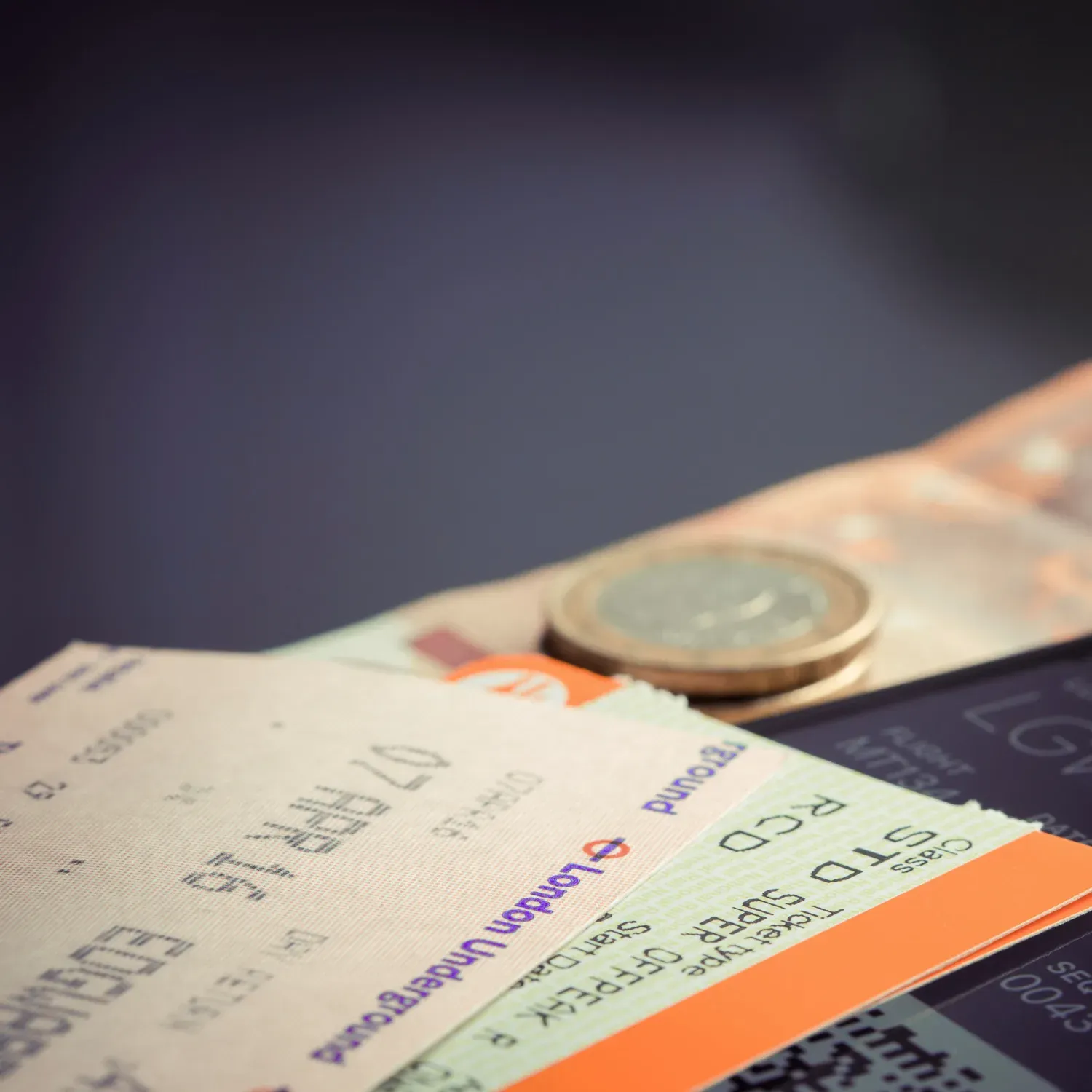
Check your booking confirmation under "Fare Basis" or "Fare Code." It's been there the whole time, like a set of keys sitting on the counter. Paper tickets tuck it beneath each flight segment; e-tickets list it right next to the flight details, for anyone who bothers to look.

What This Code Actually Is, In Plain English
A fare basis code is a short string, usually three to eight letters and numbers, sitting right there on your ticket — YUP14B, WH7LNR, that sort of thing. It's not decoration. It tells the airline, and every computer system talking to the airline, exactly what you're allowed to do with your ticket: what class you booked, whether it's refundable, how far ahead you had to buy it, and more.
Here is why you should care, beyond simple curiosity:
- Determines whether you can change or refund the ticket at all
- Impacts your baggage allowance and whether an upgrade is even on the table
- Affects how many miles you earn and whether elite status is in reach
- Signals restrictions such as advance booking, high season, or even which day of the week you're allowed to fly
How This Code Is Actually Built
1. The First Letter Tells You Your Class
- Y = full-fare economy
- F = full-fare first class
- J = full-fare business class
- W = premium economy
These letters come from IATA standards, though every airline bends them a little to suit itself.

2. What the Middle Letters Are Telling You
- E/EXC = excursion or discounted fares
- H/L = high or low season
- X/W = weekday vs. weekend travel

3. When You See Numbers, They're Talking About Time
- A number (e.g., 7) usually means book at least 7 days ahead
- 3M indicates a maximum stay of 3 months

4. The Leftover Letters, Explained
- NR = non-refundable
- CH/IN = child/infant fare
- OW/RT = one‑way or round-trip ticket
- And sometimes, tacked onto the end, a country code specifying exactly where you're coming from or going to.

Let's Decode One Together: Y26NR
Let's take it apart, the way you'd take apart anything you don't quite trust:
- Y – Full-fare Economy class
- 26 – Requires purchase at least 26 days before departure
- NR – Non-refundable fare
What this code tells you: You're in a Y-class economy seat, earning full mileage, without many restrictions, except the one that matters most: once you've booked it, there's no getting your money back. It suits people who know exactly when they're traveling and don't especially want to be surprised.
One caveat: none of this is standardized across airlines, so treat every code as its own small mystery and check the actual fare rules before you assume anything.

Why Any of This Should Matter to You
Understanding your fare code, in practice, means:
- Knowing, before it's too late, whether your ticket is changeable or refundable
- Checking upgrade eligibility, since some classes simply aren't eligible, no matter how nicely you ask
- Anticipating baggage allowances before you're standing at the counter doing mental math
- Maximizing the miles and elite status you're quietly earning or not earning

A Few Things I'd Tell a Friend Before They Book
- Read beyond the price tag: The cheapest fare has a way of getting expensive later, in penalties and rebooking fees nobody mentioned up front.
- Flexibility has value: Paying a little more for a refundable or changeable fare buys you something better than a lower number — it buys you peace of mind.
- Know your miles: Higher fare classes tend to earn more frequent flyer miles, which is the airline's way of rewarding people who already had the money.
- Airline variance: Every airline invents its own version of this alphabet, so check the actual fare rules before you book, rather than assuming yesterday's logic still applies.
What Travellers Say
Real reviews from real customers who booked flights with Laters.com.
Buy Now Pay Later, Cryptocurrencies, over 100+ ways to pay
Read More
Never Miss a Laters.com Flight Deal
Laters.com flight deals, BNPL promotions and flash sales, straight to your inbox.